
Nerve Block and Ablation in Chandigarh
Expert Pain Management with Nerve Blocks and Ablations by Dr. Rajarshi Bahadur – Your Trusted Specialist in Advanced Minimally Invasive Pain Relief.
What is Nerve Block and Ablation?
Nerve blocks and ablations are minimally invasive procedures used to manage pain. A nerve block involves injecting medication near a nerve to temporarily stop pain signals, providing short-term relief. Ablation, on the other hand, uses heat or radiofrequency energy to disable a nerve’s ability to transmit pain, offering longer-lasting relief. Both procedures help improve mobility and quality of life without the need for major surgery.
How Does Nerve Block and Ablation work?
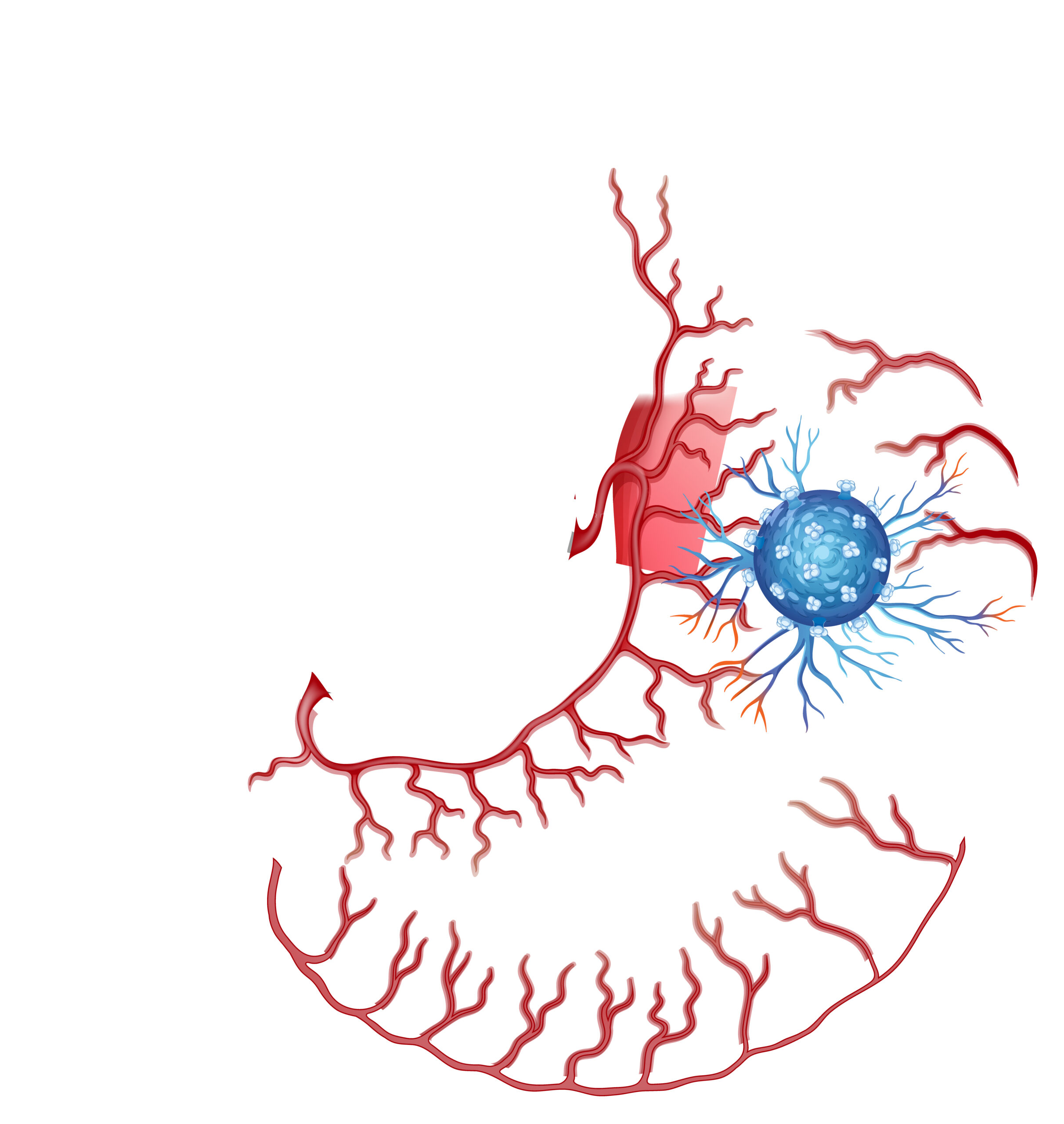
Nerve blocks and ablations are minimally invasive treatments for pain relief. A nerve block temporarily stops pain signals by injecting medication near a nerve, while nerve ablation uses heat or radiofrequency to disable the nerve for longer-lasting relief. Both procedures are precise, safe, and help improve mobility and quality of life without major surgery.
Indications for Nerve Block and Ablation

Procedure Overview
Consultation and Assessment:
The doctor reviews your medical history, pain location, and imaging studies.
Preparation:
The patient is positioned comfortably, and the skin is cleaned and sterilized at the injection site.
Local Anesthesia:
A small amount of local anesthetic is applied to numb the skin.
Imaging Guidance:
Using ultrasound, CT, or fluoroscopy, the doctor identifies the exact nerve to target.
Injection:
A needle is carefully inserted near the nerve, and medication (anesthetic ± steroid) is injected.
Observation:
The patient is monitored for a short time to check for any immediate reactions and to assess pain relief.
Post-Procedure Care:
Instructions on activity, medications, and follow-up are provided.
Operating Hours
-
Park Hospital
Jail RD, Phase 9, Sahibzada Ajit Singh Nagar, Punjab 160062
Mon - Sun : 10:00 AM - 01:00 PM -
Healing Hospital
4th Floor, Healing hospital, Sector 34A, Sector 34, Chandigarh, 160022
Mon - Sun : 2 PM - 6 PM
Benefits of Nerve Block and Ablation
Effective Pain Relief:
Provides significant reduction in chronic or acute pain.
Minimally Invasive:
No major surgery is required, reducing risks and complications.
Faster Recovery:
Patients can often resume daily activities sooner compared to surgical options.
Reduces Medication Dependence:
Helps decrease the need for long-term painkillers.
PostProcedure Care
Rest for the Day:
Avoid strenuous activity for 24 hours after the procedure.
Monitor the Injection Site:
Mild soreness or bruising is normal; use an ice pack if needed.
Resume Normal Activities Gradually:
Return to daily tasks slowly once you feel comfortable.
Risks of Nerve Block and Ablation
- Temporary Pain or Soreness:
- Infection
- Nerve Damage:
- Allergic Reaction: